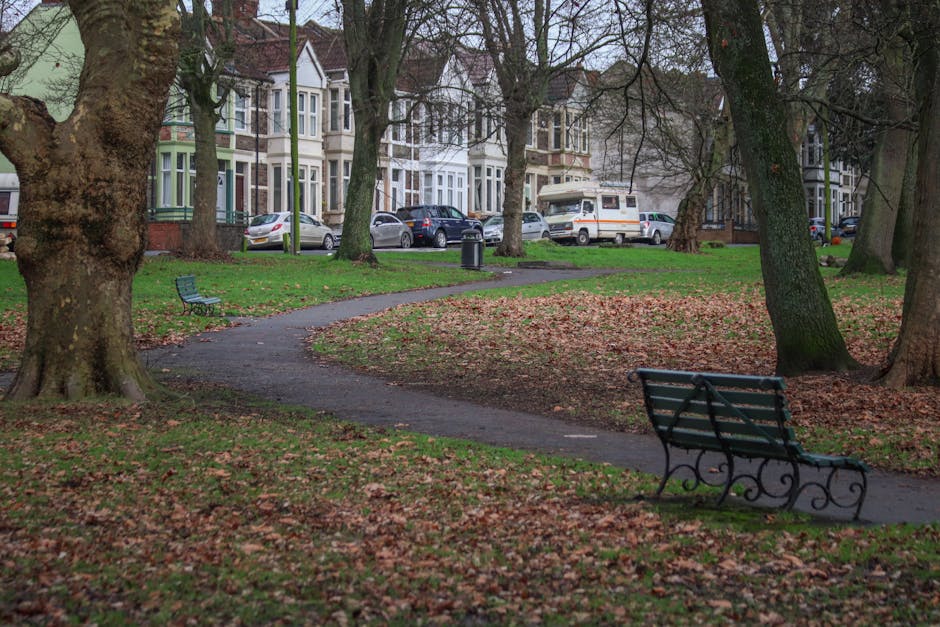
Guide to garden rubbish clearance near Pinner Memorial Park
If your garden has got to the point where clipped branches, wet leaves, old pots and that awkward pile of rubble are starting to take over, you are not alone. Garden rubbish tends to build up quietly, then suddenly it feels like the whole space has shrunk. This Guide to garden rubbish clearance near Pinner Memorial Park is here to make the process simpler, safer and a lot less stressful.
Whether you have just finished a tidy-up after a windy weekend, inherited an overgrown patch, or need to clear waste before a new landscaping job, there is a sensible way to handle it. In the pages below, you will find a clear breakdown of how clearance works, what can be removed, what to watch out for, and how to avoid the usual headaches. A neat garden should feel enjoyable, not like another chore waiting to pounce.
Table of Contents
- Why this matters around Pinner Memorial Park
- How garden rubbish clearance works
- Key benefits and practical advantages
- Who this is for and when it makes sense
- Step-by-step guidance
- Expert tips for better results
- Common mistakes to avoid
- Tools, resources and recommendations
- Law, compliance, standards and best practice
- Options, methods and comparison
- Case study or real-world example
- Practical checklist
- Conclusion
- Frequently asked questions
Why Guide to garden rubbish clearance near Pinner Memorial Park Matters
Garden clearance is not just about making things look tidy. Around homes near Pinner Memorial Park, outdoor spaces often serve a few jobs at once: somewhere to relax, somewhere for children to play, somewhere to store bins and bikes, and maybe a place to grow a few herbs or keep pots looking cheerful. When waste begins to pile up, it affects all of that. The space feels smaller, access becomes awkward, and even simple maintenance turns into a faff.
There is also a practical side. Garden rubbish can become heavy, damp and harder to shift if it is left too long. A bag of soil that seemed manageable last week can feel twice as awkward after a few rainy days. Branches may start to obstruct paths, and old timber can attract pests or become slippery underfoot. That is before you even get to broken fencing, tired sheds, or the tangled mix of green waste and non-green waste that many people end up with after a bigger garden job.
In a local area like Pinner, timing matters too. People often want clear gardens before family visits, summer gatherings or landscaping works. And to be fair, no one wants to entertain guests while staring at a pile of prunings and an old wheelbarrow. A proper clearance puts the garden back on your side.
For many households, the most useful approach is to combine garden clearance with broader waste removal planning. If you are clearing old items from the garage, loft or even the house at the same time, it can be worth looking at related support such as garage clearance, loft clearance or home clearance. A joined-up job usually saves time and cuts down on repeated lifting.
How Guide to garden rubbish clearance near Pinner Memorial Park Works
Most garden rubbish clearance jobs follow a straightforward pattern. You identify what needs removing, separate the materials as much as you can, and arrange a collection or clearance visit. The exact process can vary depending on the amount of waste, the access to your property and whether there are bulky items mixed in with the green waste.
Here is the practical version. A team or clearance service typically arrives, assesses the pile, loads the waste safely, and sorts it for disposal or recycling. Good operators do not just shovel everything into the same place and hope for the best. They work through the materials with an eye on recycling and responsible handling, especially when there is a mix of branches, turf, compost bags, soil, broken plant pots, timber, and general outdoor clutter.
For garden rubbish, the distinction between green waste and mixed waste matters. Green waste is the organic stuff: grass cuttings, hedge trimmings, leaves, small branches and plant matter. Mixed waste might include old slabs, metal planters, broken chairs, bags of soil, and bits of fencing. That difference can affect sorting, loading time and disposal route. If a clear-out starts with green waste but ends with a surprise collection of old furniture, it helps to know what can be included under a wider waste removal service.
Sometimes the job is simple: one trailer load of hedge cuttings after a tidy-up. Sometimes it is more like a mini project, especially if the garden has been neglected for months. The smart move is to be honest about the scale up front. It saves time later. It also avoids the mildly annoying moment when a quote assumes a few bags, but the driveway says otherwise.
Key Benefits and Practical Advantages
A proper garden rubbish clearance brings more than visual improvement. It can make the space safer, more usable and easier to maintain. That may sound obvious, but people often underestimate how much easier a garden feels once the clutter has gone. You notice the light again. You can walk without stepping over debris. The whole place breathes a bit.
- Better use of space: Clearing waste opens up patios, lawns, borders and access routes.
- Improved safety: Removing sharp branches, broken materials and slippery organic waste reduces trip hazards.
- Less maintenance stress: A clean start makes future mowing, pruning and planting much simpler.
- Healthier garden conditions: Rotting waste can encourage damp, pests and unwanted mess.
- Faster project turnaround: Landscaping, fencing or turfing work tends to run more smoothly when the old waste is gone first.
There is also the mental benefit, which people do not talk about enough. A cluttered garden can sit in the back of your mind every time you look out the window. Once cleared, the space stops nagging at you. It becomes usable again, even if you are not planning a full redesign. That matters on a rainy Tuesday as much as on a bright Saturday morning.
If your outdoor clear-out is part of a larger home tidy-up, it may be useful to coordinate with house clearance or flat clearance for the indoor items and furniture disposal where old outdoor seating or damaged pieces need removing too. Combining services tends to keep the job efficient.
Who This Is For and When It Makes Sense
This kind of clearance is useful for a fairly wide mix of people. Some are dealing with a complete garden overhaul. Others just need to get rid of a few stubborn piles after seasonal cutting back. The common thread is simple: you have garden waste, and you want it gone without having to wrestle with it all day.
It makes sense if you are:
- preparing for landscaping or planting work
- recovering a garden after a long period of neglect
- clearing up after storm damage or strong wind
- removing hedge trimmings, branches or lawn waste
- shifting broken garden furniture, old pots or damaged timber
- trying to reclaim access to a shed, path or rear entrance
- finishing a rental property tidy-up before handover
Landlords, homeowners, tenants, small businesses and even property managers can all benefit. A cafe with a small rear yard, for example, may need regular outdoor waste control so the space stays presentable. In that case, business waste removal can be worth exploring alongside one-off clearance.
If the garden waste has come from a DIY project as much as a gardening one, you may also have heavier materials like old paving, cement or soil bags. That is where builders waste clearance becomes relevant. Not every job is pure green waste, and that is perfectly normal.
Step-by-Step Guidance
To keep the process calm and efficient, it helps to tackle garden rubbish clearance in the right order. A bit of structure now saves a lot of dragging things around later. Here is the cleanest approach.
- Walk the garden first. Take note of everything that needs removing. This includes obvious items, but also the small bits: broken ties, dead plant bags, cracked pots, and loose timber offcuts.
- Separate waste types. Group green waste, recyclable materials, reusable items and heavy waste. If soil, rubble or fencing is mixed in, that should be identified early.
- Check access. Consider side gates, narrow paths, parked cars, steps and anything else that could slow loading.
- Estimate volume honestly. A few sacks is not the same as a full corner of wet hedge clippings. Be realistic. It helps everyone.
- Book the clearance. Choose a time when the access is easy and the weather is reasonable if possible. A dry day makes a surprising difference.
- Prepare the site. Keep pets, children and fragile items out of the way. Move anything you want to keep before the team arrives.
- Confirm what will go. Before loading starts, make sure there is no confusion about what is being taken and what is staying.
One helpful habit is to think of the garden in zones. Start with the most obstructive waste first, then move to lighter or more decorative items. That way you get visible progress early, which is motivating. Honestly, when the worst pile disappears first, the whole job feels smaller.
Expert Tips for Better Results
From a practical standpoint, the best garden clear-outs are the ones that avoid needless handling. Every extra move adds time, strain and the odd scrape of a branch across a wall. So, keep the work as direct as you can.
Tip one: keep green waste dry if you can. Wet grass cuttings and sodden leaves weigh far more than people expect. If you can bag or pile them before heavy rain, the job is much easier.
Tip two: cut long branches down before collection. Long, awkward pieces create dead space in vehicles and slow loading. Smaller lengths stack better and are safer to move.
Tip three: do not mix everything together unless you have to. A mixed pile is harder to sort and may limit recycling options. Separate bags or stacks make a real difference.
Tip four: watch for hidden hazards. Garden waste sometimes hides broken glass, rusty fixings, old wire or even a forgotten garden tool. Gloves help. Good footwear helps too. A bit obvious, maybe, but worth saying.
Tip five: think beyond the immediate tidy-up. If you already know you will replace fences, clear a shed or rework the garden layout, mention that early. The clearance plan can be adjusted before work starts, which avoids repeating effort.
A local, experienced clearance team also tends to spot small issues before they become bigger ones: tight access, soil weight, awkward parking, that sort of thing. Around streets near Pinner Memorial Park, those little details matter more than people think. The final ten minutes can make or break the whole schedule.
Common Mistakes to Avoid
Garden rubbish clearance looks simple, and often it is. But a few avoidable mistakes can turn a quick job into a frustrating one.
- Leaving waste to compact and rot. What starts as light trimmings can become a heavy, smelly mass after a few damp days.
- Underestimating mixed waste. One broken chair, two old paving slabs and some soil bags change the job more than you might expect.
- Ignoring access problems. If a clearance team cannot get close enough, the work becomes slower and more expensive.
- Assuming everything is recyclable. Some materials can be recycled, some cannot, and some require different handling.
- Forgetting about buried hazards. Rusted spikes, old nails and hidden rubble are common in neglected gardens.
Another common mistake is trying to stage the whole job as a huge DIY project and then getting stuck halfway through with nowhere to put the mess. It happens. The bins fill up, the bags split, the patio disappears under a sea of clippings, and suddenly the garden looks worse than when you started. In those moments, bringing in a proper clearance service is often the most sensible reset.
Tools, Resources and Recommendations
You do not need a full workshop to organise garden rubbish clearance well. A few practical items make the process easier, especially if you want to prep the space before collection.
- heavy-duty garden waste bags
- gloves with a decent grip
- pruning shears or loppers for cutting branches down
- a rake for collecting leaves and fine material
- tarpaulin or sheet for keeping waste together
- labels or simple piles to separate waste types
For many homeowners, the real recommendation is less about tools and more about planning. Decide what you want removed, what you want kept, and whether the job is part of something bigger. If there is furniture mixed in, look at furniture clearance or furniture disposal. If you are also clearing a garage, do it at the same time if possible. Fewer visits, fewer interruptions. Simple, really.
If you want to understand how a company handles safety, payments and service standards before booking, pages such as insurance and safety, payment and security, recycling and sustainability and pricing and quotes are useful places to look. They help set expectations before anyone turns up at the gate with gloves and a van.
Law, Compliance, Standards and Best Practice
Garden rubbish clearance is not just about lifting and loading. In the UK, waste should be handled responsibly, and that includes knowing whether waste is being sorted, moved and disposed of by someone who understands their duties. You do not need to become a waste expert yourself, but it is sensible to check that the work is being carried out properly.
Best practice usually includes:
- separating green waste where practical
- avoiding fly-tipping or irresponsible dumping
- using safe lifting methods for heavy or awkward loads
- protecting paths, gates and property during removal
- choosing a service that is clear about recycling and disposal routes
If the waste includes treated wood, rubble, sharp metal, or other mixed materials, the handling needs to be more careful. The same goes for anything that could be contaminated with soil, paint or chemicals from old garden products. If you are unsure, it is better to ask than to assume. That is not overcautious; it is sensible.
Householders also benefit from keeping simple records of what has been removed, especially if the clearance is linked to a renovation, rental handover or property sale. Nothing dramatic. Just enough to know what happened, if needed later.
Options, Methods and Comparison Table
There are a few ways to deal with garden rubbish near Pinner Memorial Park, and the right choice depends on volume, urgency and how much lifting you want to do yourself. Here is a straightforward comparison.
| Method | Best for | Pros | Cons |
|---|---|---|---|
| DIY bagging and tip runs | Very small amounts of light green waste | Low immediate cost, simple for tiny jobs | Time-consuming, physically tiring, multiple trips |
| Skip hire | Large clear-outs with mixed waste | Good capacity, useful for ongoing work | Requires space, can be overkill for smaller jobs |
| Professional garden clearance | Mixed, bulky or time-sensitive waste | Fast, less lifting, more convenient | Usually not the cheapest option for tiny jobs |
| Combined waste removal | Projects involving garden, garage or house items | Efficient, one visit, less disruption | Needs clear communication about what is included |
If you are deciding between options, ask yourself one thing: do you want the quickest clean-up, or do you want to spend part of your weekend hauling bags around? For many people, that answer appears pretty quickly once they look at the pile.
Case Study or Real-World Example
A typical local example might look like this. A homeowner near Pinner Memorial Park has a rear garden that was manageable through spring but became messy after several weeks of trimming, weeding and an old patio tidy-up. There were hedge cuttings along the fence, three bags of soil, a broken planter, some timber offcuts and an old bench that had basically given up on life.
At first, the plan was to handle it all with bags and a few journeys. But once the pile was spread out, the weight and awkward shapes became obvious. The soil was heavy, the branches scratched at the walls, and the bench took up more room than expected. Instead of spending two or three tired evenings on it, the waste was grouped by type, access was cleared, and the removal was handled in one go.
The result was not glamorous. It did not need to be. The garden became usable again. The path was clear, the patio looked bigger, and the homeowner could actually think about planting and seating rather than just the mess. Small win, but a proper one.
That is the value of a thoughtful clearance: not drama, just relief.
Practical Checklist
Use this checklist before arranging garden rubbish clearance.
- Identify all waste that needs removing
- Separate green waste from heavy or mixed waste
- Check for broken glass, nails, wire or sharp edges
- Clear a route from the garden to the collection point
- Measure or estimate the amount of waste as honestly as you can
- Decide whether furniture, fence sections or rubble need to go too
- Keep items you want to retain well away from the clearance pile
- Choose a time when access is easiest
- Confirm how recycling or disposal will be handled
- Review related services if the job is part of a bigger clear-out
Expert summary: the best garden rubbish clearance is not simply about removing waste quickly. It is about separating materials properly, protecting access, avoiding unnecessary lifting and leaving the space ready for the next job, whether that is mowing, planting or a full redesign.
If you want to understand the company behind the service before you book, it can also help to read the about us page and the health and safety policy. That extra bit of reassurance matters, especially if the job is on a tight schedule or involves awkward waste.
Conclusion
Garden rubbish clearance near Pinner Memorial Park is one of those jobs that looks minor until it is sitting in front of you. Then it becomes obvious how much time, effort and judgement it actually needs. The good news is that with a bit of planning, clear sorting and the right kind of support, it becomes very manageable.
Whether you are clearing after pruning, preparing for landscaping or simply reclaiming a garden that has got away from you, the main thing is to approach it in a sensible order. Keep waste separate where you can, be honest about volume, and do not underestimate the value of a clean, open space. It changes the feel of a home more than people expect.
Get a free quote today and see how much you can save.
And once the clutter is gone, take a minute to notice the quiet. The open space, the cleaner lines, the chance to start again. That part is always worth it.
Frequently Asked Questions
What counts as garden rubbish clearance?
It usually covers the removal of green waste such as grass cuttings, hedge trimmings, leaves and small branches, plus related outdoor items like broken pots, old timber, fence offcuts and sometimes garden furniture. The exact scope depends on the job, so it is worth being clear about what needs to go.
Can mixed garden waste be taken away in one visit?
Yes, in many cases it can. Mixed waste is common in real gardens, especially after a tidy-up or small renovation. The important thing is to flag it early so the load can be planned properly and sorted for disposal or recycling where appropriate.
Is garden waste the same as green waste?
Not quite. Green waste is the organic material from the garden, while garden waste can also include non-organic items such as broken slabs, plant pots, metal edging, timber and old outdoor furniture. That difference matters because it affects handling and recycling.
Do I need to bag everything before collection?
Not always. Bagging can help with small loose material like leaves, but larger branches, soil bags and bulky items are often easier to handle separately. If you over-bag everything, you may just create more lifting than needed.
How do I know if my waste is too heavy for DIY removal?
If you are dealing with wet soil, large branches, rubble, heavy timber or multiple trips through a narrow access route, it is probably more than a simple DIY job. The body gives you a clue pretty quickly. If it feels awkward on the first lift, it will feel worse by the tenth.
Can garden clearance include old furniture or broken outdoor items?
Yes, often it can. Old benches, chairs, tables, planters and similar items are commonly removed alongside garden rubbish. If furniture is part of the mix, services such as furniture clearance or furniture disposal may be relevant too.
What should I do before the clearance team arrives?
Clear access, separate anything you are keeping, and group the waste into sensible piles if you can. It also helps to check for hidden sharp objects and keep pets or children out of the work area.
How long does a garden rubbish clearance usually take?
It depends on the volume, access and type of waste. A small pile may be removed quite quickly, while a larger or mixed load takes longer. Good preparation can save a surprising amount of time, especially where access is tight.
Can I combine garden rubbish clearance with other waste removal jobs?
Absolutely, and it is often the most efficient way to do things. If you are also clearing a garage, loft, house or shed, combining the work can reduce disruption and avoid repeat visits. It just needs clear communication from the start.
What happens to the waste after collection?
That depends on the type of material. Good practice is to sort and route waste responsibly, with recyclable materials separated where possible and non-recyclable waste handled appropriately. If you want more detail, the recycling and sustainability information can be useful.
Is it worth booking a professional service for a small garden tidy-up?
Sometimes yes, sometimes no. If it is just a few light bags, DIY may be enough. But if you are short on time, have awkward waste, or do not want to make repeated trips, a professional clearance can still be the better value. Convenience counts for a lot, truth be told.
How do I choose a trustworthy garden rubbish clearance provider?
Look for clear information on safety, insurance, pricing and how waste is handled. It is also sensible to check company background pages and service details before booking. A trustworthy provider should be able to explain what they can take, how they work and what happens next without making it complicated.