Garden Clearance in Pinner

Garden clearance in Pinner should leave outdoor spaces ready for practical use, whether that means opening up a neglected plot, removing seasonal waste after a major tidy-up, or clearing the heavier material that has built up around sheds, borders and paths. Our service focuses on removing unwanted garden debris in a tidy, methodical way so the space can be used, maintained or reshaped with less effort. Useful clearance is not just about taking items away; it is about separating what can be handled efficiently from what needs more careful treatment.
We work across typical domestic garden waste and outdoor clutter, including cuttings, branches, bagged green waste, broken garden items and mixed materials from ongoing maintenance. Where a garden contains a wider build-up, we can also deal with bulky pieces that have been left near fences, in side access routes or at the back of a property. The aim is to make the removal process straightforward while keeping the work focused on the actual material present, rather than forcing every job into the same pattern.
If you need outdoor clearance arranged without unnecessary delay, make a note of the main items and the access available, then use the pages below to understand the service in more detail. A short enquiry with the type of waste and the volume involved is often enough to begin. For a clearer idea of what is covered, see our garden clearance service and keep your request concise but specific.
What the clearance service covers
Garden clearance usually begins with the visible waste first: pruned branches, grass cuttings, hedge clippings, leaves and the mixed organic material that accumulates after a period of upkeep. That work can be straightforward when everything is grouped together, but it can also involve more uneven loads, such as damp bags, tangled stems or heavier offcuts from shrubs and small trees. We keep the approach practical, so the collection matches the actual condition of the garden rather than a preset checklist.
When a garden has been allowed to build up over time, there is often more than green waste to consider. Old plant pots, broken edging, weathered timber, rotting compost containers and unused outdoor items may all be part of the same clearance. In those cases, the benefit comes from handling the different materials in a sensible order. If you are comparing the scope of work with other outdoor services, the pages for waste removal and builders waste clearance can help show where garden-only material ends and mixed-site debris begins.
Garden jobs also vary according to how accessible the waste is. A pile beside a drive, a heap behind a gate or material stored in a shed all affect how quickly the work can be done and how it is loaded. Clear access makes the process easier, but awkward access does not automatically make a job unsuitable; it simply changes the approach. The main aim is a safe, orderly clearance that leaves the space ready for the next stage, whether that is mowing, replanting, repair or a fuller landscaping plan.
Outdoor waste, bulky items and mixed loads
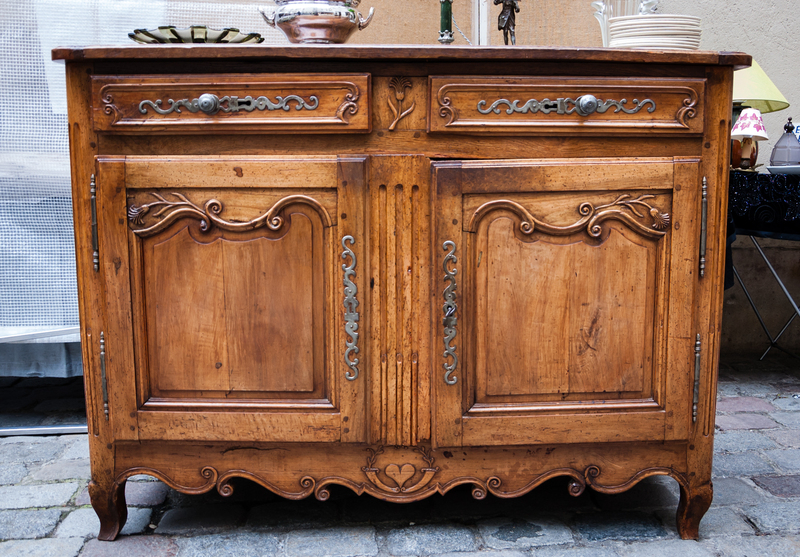
Not every garden clearance is limited to soft green waste. Many outdoor spaces contain bulky items that no longer serve a purpose, such as cracked furniture, damaged planters, worn equipment or storage items that have been kept outside for too long. These pieces can slow down a tidy-up because they need to be separated from the lighter waste and handled with care. A well-managed clearance treats them as part of the overall load rather than as an afterthought.
Mixed loads often include a combination of garden waste and household-style items left outside during DIY or decluttering. That might mean one section of the garden contains cuttings and soil, while another has timber, metal fixings or packaging from old projects. In those situations, the service needs to be sensible about sorting and removal, especially where some materials are straightforward green waste and others belong in a different disposal stream. You can compare related options through furniture clearance or furniture disposal when outdoor items are part of a broader clear-out.
For customers, the practical decision is often whether the job is a tidy of a single area or a fuller removal of everything no longer needed. That distinction matters because it affects planning, loading and the number of trips required. If the garden contains both soft waste and larger items, it is usually better to describe the main categories clearly rather than give a vague “full clear-out†description. That helps keep the work accurate and avoids unnecessary confusion about what should stay and what should go.
Hedges, branches and seasonal garden waste
Seasonal garden maintenance can produce a surprising amount of waste in a short time, especially after hedge cutting, pruning or a period of heavy leaf fall. Branches and longer cuttings take up more space than everyday bagged waste, so they often need a different loading arrangement. If the material includes thorny stems or thick woody sections, careful stacking is helpful because it keeps the job organised and reduces the risk of loose debris spreading while it is being moved.
Garden waste also behaves differently depending on the time of year and the weather. Damp clippings are heavier, leaves become compacted, and cut material can quickly turn into an awkward mixture if it is left for too long. A clear-up after trimming shrubs may therefore involve more than a simple collection of bags. It can require a sweep through beds and edges, gathering the smaller fragments that remain after the obvious waste has been removed. That extra attention is part of what makes a clearance feel finished rather than merely partial.
When planning this kind of work, it helps to separate the material into loose green waste, woody debris and any items that are no longer part of the garden. If you have a broader outdoor declutter in mind, our garden clearance service sits alongside other domestic removal options on the site, but the key point is to identify the waste type accurately. That keeps the clearance focused, avoids overlap, and makes it easier to judge how the load should be handled from start to finish.
Preparing a quotation for garden clearance
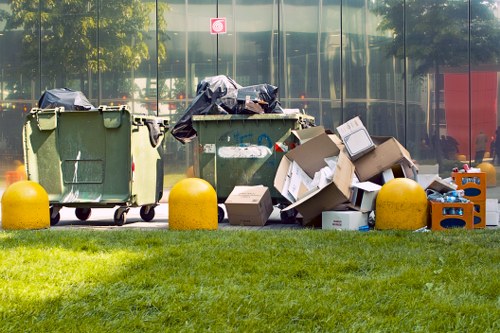
A clear quotation starts with a realistic picture of what is present. It is helpful to know whether the work is mainly green waste, whether there are bulky outdoor items mixed in, and whether the material is piled in one area or spread across several parts of the garden. If you can describe access, mention whether the waste is at the front, side or rear, because that affects the time needed for loading. In many cases, a concise description is enough to begin the process.
Photographs can be useful when the garden contains a mixture of items or when the amount of waste is hard to judge from memory alone. A few clear images of the main pile, the access route and any bulky pieces can help a quotation reflect the work more accurately. If the space is unusual, include a brief note about what should remain in place. That simple level of detail makes it easier to separate the job into the parts that need removal and the parts that do not.
If you are ready to request a price, keep the description practical and direct. Mention the main waste types, the rough volume and any limited access, then ask for the next step. You can also review the site’s pricing and quotes page if you want to understand how requests are handled before sending details. Please do not wait until the load has become more difficult to manage than necessary; an early enquiry usually makes planning easier.
Garden clearance for tidy, usable outdoor spaces
Some customers need only a small section of the garden cleared, while others need a fuller service that removes accumulated waste from several areas at once. The work can include paths, side return spaces, corners near sheds and storage zones where unwanted material has gathered. A tidy clearance leaves the remaining features easier to see and manage, which is especially useful if you are preparing for repairs, planting or a larger redesign. The important point is that the removal matches the garden’s actual layout and condition.
Where outdoor clutter has spread over time, the job often benefits from a methodical order. Larger items are removed first, loose waste is gathered next, and smaller fragments are checked last so the space is left properly cleared. This approach matters because gardens can hide debris in borders, behind containers or under overgrowth. A careful finish is often what separates a partial uplift from a complete one, and it can make future maintenance noticeably simpler.
If you have a broader domestic clear-out in mind, our home clearance and house clearance pages may be relevant where the job extends indoors as well as outdoors. For a garden-only request, though, the focus stays on the external space, the waste generated there and the best way to remove it without disrupting the parts you want to keep.
Access, loading and sensible job planning
Good planning matters even on straightforward garden work. If the waste is already stacked in one location, the clearance can often be handled more efficiently than if it is scattered across a wide area. Access routes also influence the work: narrow side passages, steps, low gates and uneven ground all affect how items are moved. None of these details is a barrier on its own, but they do shape the approach and help set a quotation that better reflects the real job.
The other point worth considering is whether the clearance needs to happen before other garden work begins. In some cases, waste needs to come out first so repairs, mowing or planting can proceed. In others, the clearance is the final step after pruning or general tidying. If you are arranging several jobs in sequence, be clear about which stage the waste belongs to. That avoids unnecessary back-and-forth and helps the work fit naturally around the rest of the plan. Clarity at the start often saves time later.
For customers who prefer to compare the broader handling of different materials, the service pages for garage clearance and loft clearance show how different spaces require different methods. Those pages are not substitutes for garden work, but they can help when outdoor clearance is only one part of a larger tidy-up across the property.
About Pinner

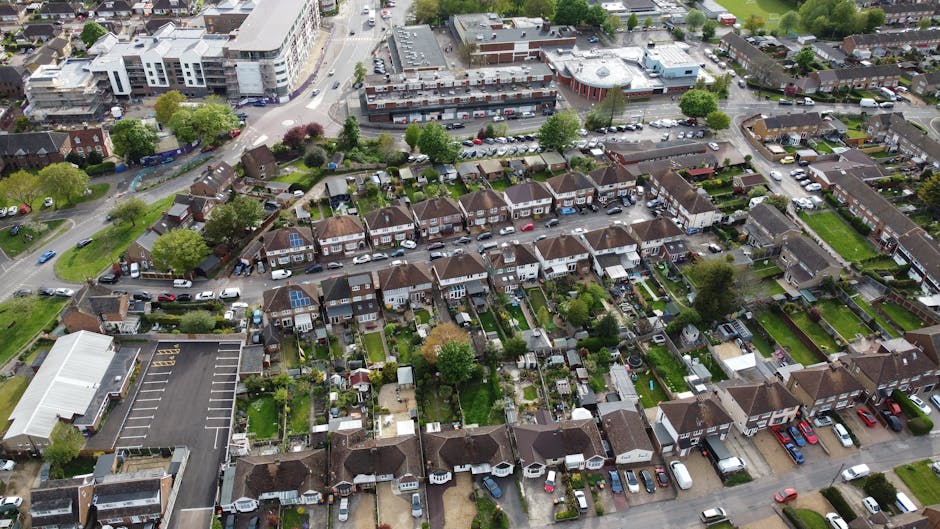
Pinner is a suburban district in the London Borough of Harrow, in northwest London, with a historic centre that still retains much of the character associated with an older village settlement. The area developed around the original village green and parish church, and parts of the centre continue to reflect that earlier layout through narrow streets, small-scale frontages and a strong emphasis on local identity. Its built environment combines older brick and timber-framed structures with later residential streets, creating a varied streetscape that feels distinct from denser inner-London districts. The High Street forms a key part of the centre, while the surrounding conservation areas help protect the appearance of older buildings and street patterns. West House and other heritage properties add to the sense of layered history, and the parish church of St John the Baptist remains one of the best-known landmarks in the locality. Pinner also has a long-running cultural life, including the Pinner Fair, which is associated with the village’s traditional calendar and local community activity. Green spaces play an important role too, with nearby routes and open areas contributing to the district’s suburban feel. Pinner Memorial Park, for example, provides formal planting, open lawns and walking space, while the wider district benefits from tree-lined roads and access to greener edges beyond the centre. The area’s position in north-west London means it sits within a well-connected suburban landscape, yet its historic core still gives it a recognisable identity that is shaped by architecture, community events and the preservation of older civic and residential features.
Other domestic clearance options

Although garden clearance is the main service on this page, some projects naturally overlap with indoor or whole-property clearances. A shed may contain items that belong inside the house, a side return might hold broken furniture, or a larger declutter may involve both garden waste and household items. In those cases, it is useful to look at the wider service categories and decide how the work should be divided. That keeps the removal focused and avoids describing the job too narrowly when the contents are mixed.
Some customers also need a service that covers specific rooms or storage spaces before they turn to the outside area. The pages for flat clearance, office clearance and business waste removal are available where the setting is not a garden but the removal needs are similar in principle: identify the items, clear them in a sensible order and make the process easy to organise. This helps you choose the most relevant route rather than forcing everything into one type of enquiry.
If you would like to arrange a garden clearance, send the key details and ask for a quotation when you are ready. The most helpful information is usually the type of waste, how much there is and whether any bulky items or awkward access need to be considered. If your request is simple, keep it simple; if it is mixed, describe the mixture clearly. That is the easiest way to make the next step straightforward.