Mistakes to avoid when booking Pinner garden rubbish collection
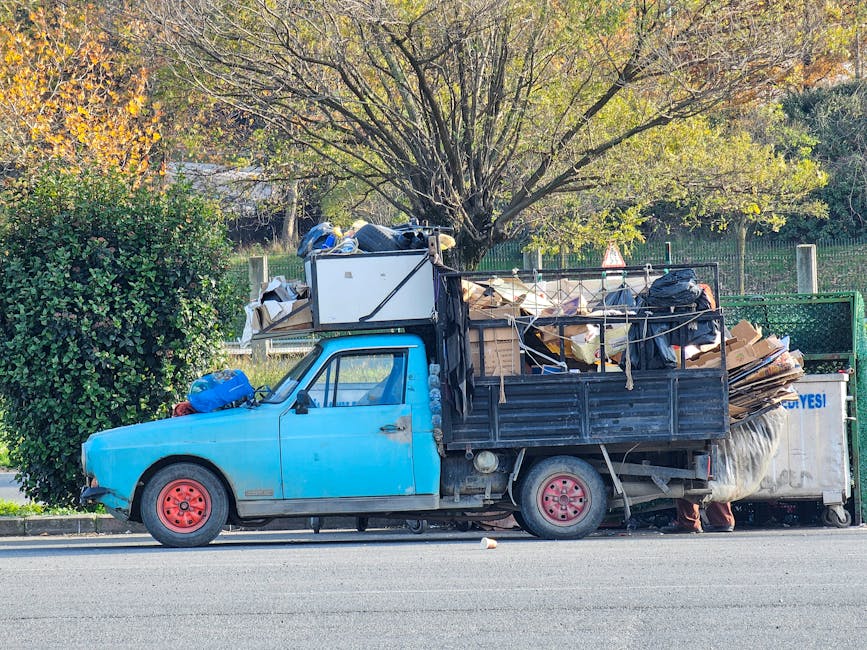
Booking garden rubbish collection sounds straightforward. You make a call, the waste is taken away, and the garden looks like itself again. But in Pinner, the small details matter more than most people expect. Miss one step and you could end up paying too much, delaying the job, or choosing a service that is not quite right for the mess you have in front of you.
This guide looks at the most common mistakes to avoid when booking Pinner garden rubbish collection, plus the practical checks that make the whole process smoother. Whether you are clearing a one-off pile of hedge cuttings after a Sunday trim or dealing with a larger garden overhaul, a little planning goes a long way. And, to be fair, nobody wants to spend a warm afternoon rearranging sacks of soil because the booking was not quite right.
Below you will find what the service usually involves, how it works, what to ask before you book, and the red flags that are easy to miss when you are in a hurry.
Why these booking mistakes matter
Garden waste can look harmless. Leaves, branches, turf, old pots, and a bit of broken fencing do not seem especially complicated. But once it is all stacked up, you quickly realise it is bulky, awkward, and often heavier than expected. That is where poor booking decisions start to hurt.
The main issue is mismatch. People often describe the job too vaguely, or they assume every garden clearance works the same way. It does not. A bag of hedge trimmings is one thing; a load of wet soil, timber offcuts, and soil-stained rubble is another. If the job details are unclear, the service may arrive underprepared, or the quote may not reflect the real volume. Either way, the day becomes more stressful than it should be.
There is also the local angle. Pinner homes often have tighter front drives, narrow side access, shared boundaries, and the kind of mature gardens that create a lot of mixed green waste after one big tidy-up. A small access issue can turn into a big delay if it is not mentioned upfront. In our experience, the best bookings are usually the boring ones: clear, accurate, and properly thought through.
Clear pricing and quotes matter here too, because surprise extras tend to show up when the booking was built on guesswork rather than facts.
How garden rubbish collection works
Most garden rubbish collection services follow a simple pattern. You describe the waste, the team estimates the load, and a collection is arranged. On the day, the crew arrives, checks what is there, loads it safely, and removes it for sorting, reuse, or disposal.
The part people miss is that "garden waste" can mean several different things. Pure green waste usually includes grass cuttings, leaves, weeds, hedge trimmings, and small branches. But many garden jobs also produce mixed materials such as broken planters, soil, fence panels, timber, old sheds, or heavy bags of compost. That distinction matters because mixed loads may need different handling, extra labour, or a different price structure.
A proper booking should also cover access. Can a van get close to the property? Is the waste in the back garden, the garage, or right by the curb? Are there steps, steep paths, or narrow side gates? These details are not fussiness. They help the team send the right vehicle and enough people. Which, honestly, saves everyone time.
If you are clearing more than garden waste alone, it can help to compare related services like general waste removal or garage clearance so you know whether the job is purely green waste or a broader household clearance.
Key benefits and practical advantages
When the booking is done well, garden rubbish collection does more than remove a pile of waste. It gives you space back. It makes the garden usable again. And it cuts out the awkward middle stage where bags sit in the corner of the lawn for three weeks because nobody quite knows what to do with them.
Some of the most useful benefits are straightforward:
- Less physical strain: hauling damp bags and heavy branches is hard work, especially if you have more than one load.
- Faster turnaround: a good collection can clear a mess in one visit instead of several trips.
- Better presentation: useful if you are preparing for guests, tenants, a property sale, or a garden project.
- Cleaner sorting: the waste is usually separated more sensibly than it would be if you mixed everything yourself.
- Reduced risk of mistakes: the right booking helps avoid disposal problems later.
There is also a quieter advantage: peace of mind. Once the booking details are right, you can stop thinking about the waste pile. That sounds small. It is not, really. It frees up your day.
For larger home projects, it may also be worth looking at home clearance or house clearance if the garden job is tied to a wider declutter.
Who this is for and when it makes sense
Garden rubbish collection is useful for a wide range of people. Some need it after one big seasonal tidy. Others use it during a complete garden redesign, after weather damage, or at the end of a tenancy. Truth be told, it is often booked by people who simply do not want to spend their weekend filling bags until their back complains.
This service makes sense if:
- you have more waste than the local bin system can reasonably handle;
- the waste is too bulky for a small car or standard household disposal;
- you want faster removal than self-haul trips can offer;
- the waste includes mixed garden materials that are awkward to sort yourself;
- you are clearing an overgrown garden before replanting or landscaping;
- you are dealing with leftover waste after hedge cutting, tree pruning, or fencing work.
If your garden clear-out includes piles from a larger exterior project, you may also find builders waste clearance relevant, especially where timber, rubble, and broken fixtures have crept into the mix.
One useful rule of thumb: if you are unsure whether your waste is "green" or "mixed," say so when booking. Ambiguity is where most mistakes begin.
Step-by-step guidance
Here is the cleanest way to book without getting caught out.
- Sort the waste into rough groups. Separate green waste, timber, soil, and anything that may be classed as bulky mixed material. You do not need perfect order, just enough clarity to describe the load accurately.
- Estimate volume honestly. Think in practical terms: a few bags, a trailer-sized pile, a quarter of a van, or more. Underestimating is the classic mistake. It is surprisingly easy to do when the pile has spread out across the patio.
- Check access. Note gates, steps, parking restrictions, and whether the waste is at the front or back of the property. A five-second phone description here can prevent a fifteen-minute problem later.
- Ask what is included. Confirm labour, loading, recycling handling, and whether there are separate charges for heavy soil or awkward materials.
- Ask about timing. If you want same-day or next-day service, say that clearly. Do not assume it is available.
- Review the quote carefully. Make sure the quote reflects the waste type and access conditions. A cheap estimate is not useful if it changes once the team arrives.
- Prepare the area. Make access as easy as possible. Move cars, unlock gates, and keep pets or children away from the loading path.
- Keep a record of the booking details. A quick confirmation by email or message helps if there is any confusion on the day.
That is the basic flow. Simple, yes. But the difference between a decent experience and a frustrating one usually comes down to those small checks.
Expert tips for better results
The best tip is also the least glamorous one: describe the waste as if you were trying to help a stranger lift it on a rainy Tuesday. Be specific. "Garden waste" is fine as a headline, but it is not enough on its own. Mention whether the pile includes wet turf, thick branches, bags of soil, or old timber from raised beds.
Another smart move is to think about weight, not just volume. A few bags of soil can weigh far more than a big pile of dry cuttings. So can wet grass after a spell of rain. You may look at the heap and think, that's not much, but the team sees something completely different once the bags hit the scales. Funny how that happens.
A few more practical habits help too:
- take a quick photo before you book if the waste is awkward or mixed;
- mention if anything is hidden under tarpaulin, because surprise waste can change the job;
- keep sharp objects, glass, or metal separate where possible;
- allow a little extra time if the garden is overgrown and access is tight;
- ask whether the provider follows the standards set out in its own health and safety policy and insurance and safety information.
For customers who care about where the waste goes, it is also sensible to ask about recycling and sustainability. A good provider should be able to explain how green waste and reusable materials are handled in plain English.
Common mistakes to avoid
This is the heart of the topic, really. Here are the errors that cause most of the trouble.
1. Booking without describing the waste properly
This is the biggest one. People say "just a bit of garden rubbish" when the job includes soil, branches, broken pots, and timber offcuts. The result is often a quote that is too low or a vehicle that is too small.
2. Forgetting about access issues
Narrow side access, low walls, steps, and long carries can affect the service. If the crew has to trek through the whole garden twice with heavy bags, that changes the job. Mention it early.
3. Assuming every garden job is green waste only
Not quite. Once the pile includes fence panels, old sleepers, mixed rubble, or broken furniture from outdoors, it becomes a different kind of clearance. If you also need help with outdoor storage items, a furniture disposal service may be more relevant for the separate items.
4. Ignoring hidden costs
Ask how the price is structured. Is it based on volume, labour, weight, or a mix of factors? Does the quote include loading and disposal, or only the vehicle? A transparent answer matters more than a low headline figure.
5. Leaving the booking until the last minute
Spring weekends, bank holidays, and the first decent dry spell of the year can get busy fast. If you leave it too late, you may not get the slot you want. Simple as that.
6. Not checking what cannot be taken
Every service has limits. Some items need separate handling, and certain materials are not suitable for a standard garden clearance. Ask before the day, not during loading.
7. Mixing garden waste with unrelated household clutter
This is a classic way to make the job more expensive than it needs to be. Keep the garden waste separate if possible, especially if you are only booking a garden collection.
8. Choosing on price alone
Cheap can be fine. Cheap and vague is not. If a quote is missing key details, the risk is that you pay for the missing information later.
Tools, resources and recommendations
You do not need specialist kit, but a few basic things can make booking and clearing much easier.
- Tarpaulin or heavy-duty bags: useful for keeping loose waste together before collection.
- Work gloves: handy for thorny cuttings, splintered wood, and damp debris.
- Measuring tape: helps if you want to estimate pile size more accurately.
- Phone photos: surprisingly useful for getting a clearer quote without overexplaining.
- Simple sorting labels: not essential, but useful if the pile includes mixed materials.
For people with a broader clear-out, it can help to look at loft clearance, garage clearance, or furniture clearance if those spaces are being emptied at the same time as the garden. Bundling jobs can be practical, but only if the waste types are genuinely similar.
If you want a clearer idea of what the service covers before booking, garden clearance is the most relevant starting point, while pricing and quotes helps set realistic expectations.
Law, compliance, standards and best practice
Garden rubbish collection sits inside a wider waste-handling framework, so it is worth treating it seriously. You do not need to become a compliance expert, but you should expect the company you use to handle waste responsibly, transport it properly, and dispose of it through appropriate channels.
From a customer point of view, the main best practices are simple:
- be honest about the type and amount of waste;
- check that the provider is insured and follows safe lifting and loading procedures;
- avoid leaving waste in a way that creates trip hazards or access problems;
- ask how mixed loads are separated and handled;
- make sure the service terms are clear before you agree.
It is also sensible to read the provider's terms and conditions so you understand cancellations, payment points, and what happens if the waste is different from what was described. If you want to know more about the business behind the service, the about us page can also help build confidence.
A good provider should be open about service boundaries. That includes what it will take, what it will not take, and how it manages recycling. Clear wording is usually a good sign. Vague wording, not so much.
Options and comparison table
Different waste situations call for different approaches. Here is a quick comparison to help you choose the right one.
| Option | Best for | Pros | Watch out for |
|---|---|---|---|
| DIY trips to the tip | Very small amounts of light garden waste | Can be cheap if you already have transport | Time-consuming, messy, and awkward for bulky loads |
| Skip hire | Longer projects with a predictable volume | Useful for ongoing work over several days | Needs space, planning, and self-loading |
| Garden rubbish collection | One-off or mixed garden waste that needs quick removal | Fast, convenient, less lifting for you | Booking accuracy matters, especially for weight and access |
| Full property clearance | Garden waste plus wider household or outbuilding clutter | Handy for bigger jobs in one go | Can cost more if the waste description is too broad |
For many Pinner households, garden rubbish collection is the best middle ground. It is quicker than self-hauling and less disruptive than arranging a skip. The key is matching the option to the actual job, not the job you wish you had.
Case study or real-world example
A typical example: a homeowner in Pinner finishes a tidy-up after a weekend of pruning, edging, and lifting old sleepers. The pile looks manageable at first glance. A few branches, several bags of hedge cuttings, some soil, and one broken planter. Nothing dramatic.
But then the detail comes out. The soil is damp, the sleepers are heavier than expected, and the waste is in the back garden behind a narrow side gate. If that information is not shared at booking stage, the service may arrive with the wrong assumptions. The team can still do the job, of course, but the quote may need adjusting and the collection may take longer than planned.
Now compare that with a better booking. The customer sends a short description, notes the access route, mentions the mixed materials, and confirms that the waste is ready in one place. The crew arrives prepared, the loading is smoother, and the job is done without a lot of back-and-forth. Not flashy. Just efficient. Which, for this kind of work, is exactly what you want.
Practical checklist
Use this before you book. It saves headaches later.
- Have I described the waste clearly, including green waste and mixed materials?
- Have I estimated the volume honestly?
- Have I mentioned access issues, steps, gates, or parking restrictions?
- Have I checked whether the quote includes loading and disposal?
- Have I asked about any items that might need separate handling?
- Have I confirmed the date and time window?
- Have I reviewed the terms, payment details, and cancellation policy?
- Have I thought about whether I also need related services like office clearance, home clearance, or furniture disposal?
- Have I prepared the area so collection is easy on the day?
- Have I asked about recycling and how the waste will be handled?
Expert summary: the best bookings are not the cheapest guesses; they are the clearest descriptions. If the provider knows what is there, where it is, and how easy it is to reach, the odds of a smooth collection rise quickly.
Get a free quote today and see how much you can save.
Conclusion
The main mistakes to avoid when booking Pinner garden rubbish collection all come back to the same thing: do not assume the waste is simple just because it came from a garden. Volume, weight, access, and mixed materials can all change the job. A few extra minutes of preparation can spare you a lot of bother on collection day.
Be specific, ask direct questions, and make sure the quote reflects the real work involved. That is usually enough to avoid the common traps and get the garden cleared without fuss. And once it is done, you notice the difference straight away. More space, less clutter, and that satisfying sense that the garden is back on your side.
Sometimes the best part is just standing there with a cup of tea, looking at the cleared space, and thinking: yes, that was worth doing properly.
Frequently Asked Questions
What should I tell the company before booking garden rubbish collection?
Tell them what type of waste you have, roughly how much there is, where it is stored, and whether access is easy or awkward. If there is soil, timber, rubble, or anything mixed in, mention that too. The more accurate the description, the better the booking.
Why do quotes change after the team arrives?
Usually because the waste was described too loosely or access was harder than expected. A quote is only as reliable as the information used to build it. If the pile is heavier, larger, or more mixed than first explained, the price may need adjusting.
Is garden waste always cheaper to collect than mixed waste?
Often, yes, but not always. Pure green waste can be simpler to handle than mixed waste, yet heavy soil, old timber, and awkward loading conditions can change the pricing. The exact cost depends on the volume and the type of material.
Can I book garden rubbish collection for just a few bags?
Yes, if the provider accepts smaller jobs. That said, some services are better value when the load is larger. If you only have a few bags, it is still worth asking for the minimum charge so there are no surprises.
What happens if my garden waste includes old fencing or broken pots?
Those items may be treated as mixed waste rather than pure green waste. It is best to mention them before booking. That helps the provider decide whether the job fits standard garden clearance or needs a broader waste removal approach.
How can I avoid paying for a bigger collection than I need?
Group the waste neatly, take a quick photo, and estimate the pile honestly. Do not overstate the size just to be safe. At the same time, do not understate it, because that can lead to an awkward re-quote on the day.
Do I need to be home during the collection?
In many cases, yes, especially if access needs to be opened or the waste needs to be shown to the crew. Some bookings can be arranged differently, but it is best to confirm this when you make the appointment.
What should I check in the terms and conditions?
Look for payment timing, cancellation rules, what happens if the waste differs from what was described, and any restrictions on certain materials. It only takes a minute, and it helps you understand how the service is run.
Is it worth asking about recycling?
Absolutely. If you care about where the waste goes, ask how green waste and reusable materials are handled. A clear answer is a good sign that the provider takes responsible disposal seriously.
Can garden rubbish collection be combined with other clearance jobs?
Yes, sometimes it can. If you also need help with items from a garage, loft, office, or house, it may be more efficient to arrange a wider clearance. The key is to make the mix of waste clear from the start.
What is the most common booking mistake people make?
Under-describing the waste. It sounds minor, but it causes most of the problems: wrong pricing, wrong vehicle size, and extra delays. A plain, honest description is usually the safest route.
How far in advance should I book?
As early as you reasonably can, especially in busy periods like spring and early summer. If your garden project is weather-dependent, leaving a little room in the schedule helps. It is one less thing to juggle when the day comes.